
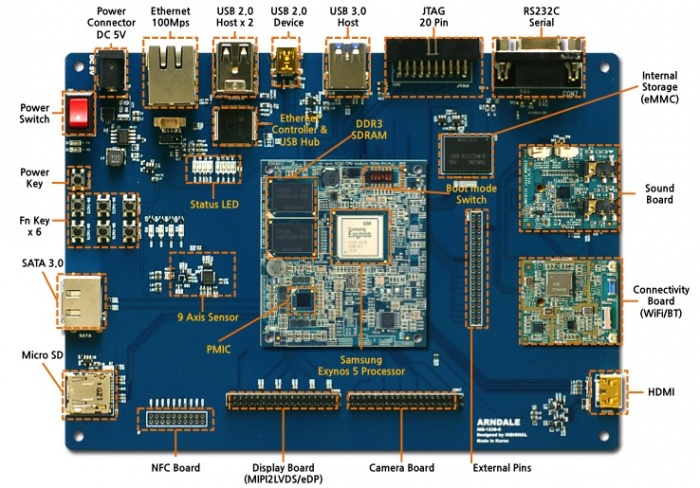
Date: 17 September 2015, 17:00 Location: Naritaweg 12B, Amsterdam Costs: free Selecting the right hardware for your OpenCL-powerd product is very important. We therefore organise a three hour open house where we you can test, benchmark and discuss many available chipsets…

Nordic/Scandinavian GPGPU-day on 29 September 2015
After two events in the Netherlands, the third GPGPU-day will be held in Copenhagen! Speakers are researchers and companies from the Nordic and Scandinavian countries. If you’re interested in speaking at the conference, get in touch. Date: 29 September 2015 Location:…

Apple Metal versus Vulkan + OpenCL 2.2
Update: C++ has been moved from OpenCL 2.1 to 2.2, being released in 2017. Title and text have been updated to reflect this. A reason why Apple released Metal might be the reason that Khronos was too slow in releasing C++ kernels…
StreamComputing exists 5 years!
In January 2010 I created the first steps of StreamComputing (redacted: rebranded to StreamHPC in 2017), by registering the website and writing a hello-world article. About 4 months of preparations and paperwork later the freelance-company was registered. Then 5 years later…

8 reasons why SPIR-V makes a big difference
From all the news that came out of GDC, I’m most eager to talk about SPIR-V. This intermediate language will make a big difference for the compute-industry. In this article I’d like to explain why. If you need a technical explanation…

Apple’s dragging OpenCL compiler problem
Remember the times that the OpenCL compilers where not that good as they’re now? Correct source-code being rejected, typos being accepted, long compile times, crashes during compiling and other irritating bugs. These made the work of an OpenCL developer in “the…
OpenCL in simple words
Our business is largely around making software faster. For that we use OpenCL, but do you know what this programming language is? Why can’t this speeding-up be done using other languages like Java, C#, C++ or Python? OpenCL the answer to…
GPUDirect and DirectGMA – direct GPU-GPU communication via RDMA
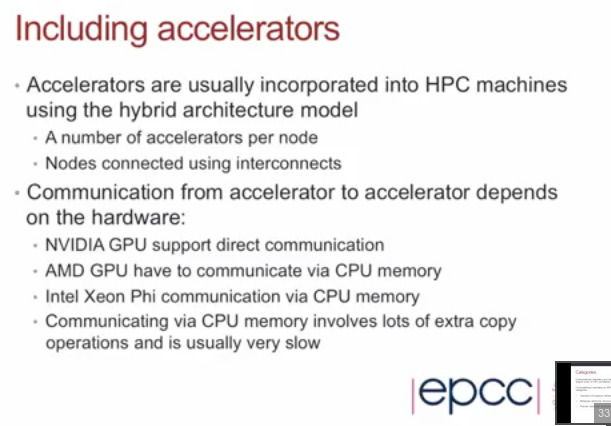
A while ago I found the slide at the right, claiming that AMD did not have any direct GPU-GPU communication. I found at several sources there was, but it seems not to be a well-known feature. The feature is known as…
Building the HPC ecosphere in Amsterdam
Here in Amsterdam a lot is going on around HPC. Including StreamHPC, we have companies like Vancis, Netherlands eScience Centre, and ClusterVision, the research institute for Dutch HPC, Surf SARA, (hosting the Dutch supercomputer) and the very busy Amsterdam IX. Here…

Four conferences that will interest you
(if you get to Palo Alto, Manchester, Karlsruhe and Copenhagen) We’re supporters of open standards and open discussions. When those thow come together, we melt. Therefore I’d like to share four hot conferences with you: IWOCL (Palo Alto, SF, USA), EMiT…
How to install OpenCL on Windows
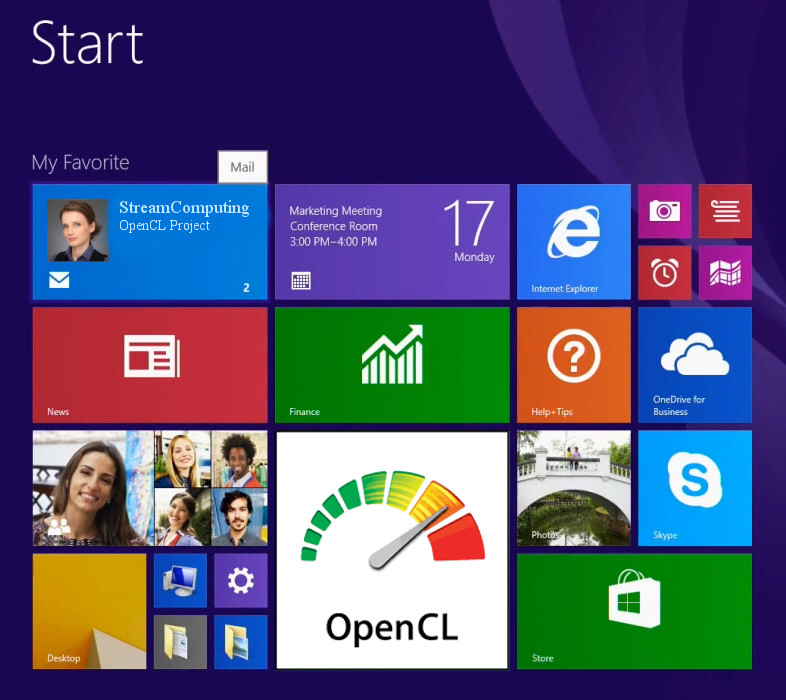
Getting your Windows machine ready for OpenCL is rather straightforward. In short, you only need the latest drivers for your OpenCL device(s) and you’re ready to go. Of course, you will need to add an OpenCL SDK in case you want…

Internships: the self-driving vehicle – updated
UPDATE: We now only offer thesis support (“externs”), for students who want to use OpenCL in their research, but don’t have such support at their university. for the rest the below applies. From July there are several internships available here at…
Overview of OpenCL 2.0 hardware support, samples, blogs and drivers
We were too busy lately to tell you about it: OpenCL 2.0 is getting ready for prime time! As it makes use of the more recent hardware features, it’s therefore more powerful than OpenCL 1.x could ever be. To get you…
Is the CPU slowly turning into a GPU?
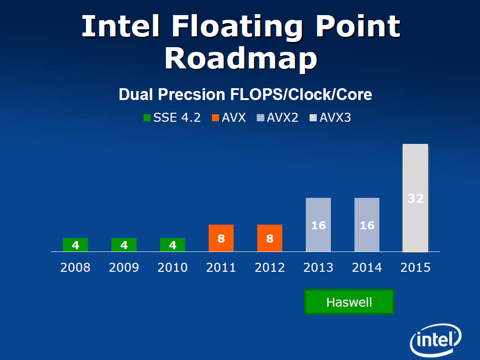
Years ago I was surprised by the fact that CPUs were also programmable with OpenCL – I solely chose that language for the cool of being able to program GPUs. It was weird at start, but cannot think of a world…
Using OpenCL 1.2 with 1.1 devices
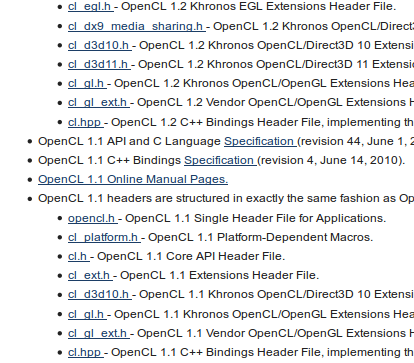
Recent code uses OpenCL 1.2 more and more, which is a problem when wanting to use OpenCL 1.1 devices, or even 1.0 devices. Most times those computers have OpenCL 1.1 libraries installed. So what to do? When you want to make…
AMD Hawaii power-management fix on Linux
The new Hawaii-based GPUs from AMD (Radeon R9 2xx, FirePro W9100 and Firepro S9150) have a lot of improvements, one being a new OverDrive 6 (AMD’s version of NVIDIA GPU Boost). Problem is that it’s not supported yet in the Linux…

Call for Papers, Presentations, Workshops and Posters for IWOCL in Stanford
The IWOCL 2015 call for OpenCL Papers is now open and is looking for submissions from industry and academia relating to the use of OpenCL. Submissions may refer to completed projects or those currently in progress and are invited in the form of: Research…
We sponsor HiPEAC again this year
HiPEAC is an academic oriented, 3-day, international conference around HPC, compilers and processors. Last year was in Vienna, this year in Amsterdam – where StreamHPC also is based. That was an extra reason to go for silver sponsorship, besides I find…
How to introduce HPC in your enterprise
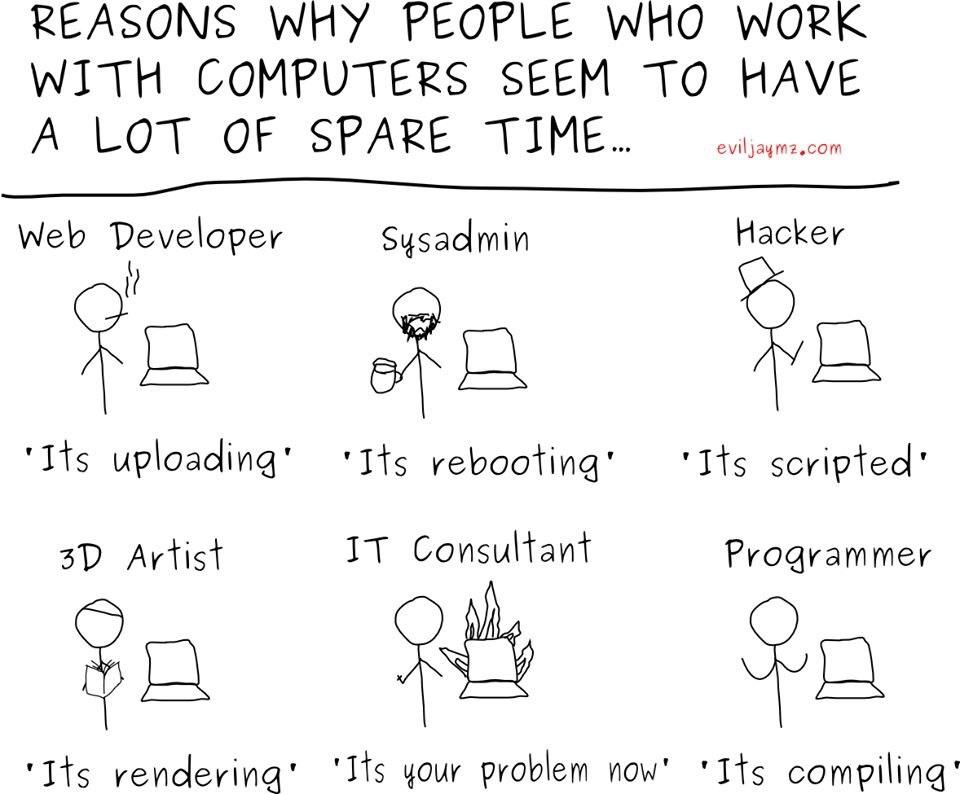
The past ten years we have been happy when we got back home from the office. Our home-computer is simply faster, has more software, more memory and does not take over 10 minutes to boot. Office-computers can be that slow, because 90%…

AMD now leads the Green500
With SC14 behind us, there are a few things I’d like to share with you. I’d like to start with the biggest win for OpenCL: AMD leading in the most power-efficient GPU-cluster. A few months ago I wrote a theoretical article…
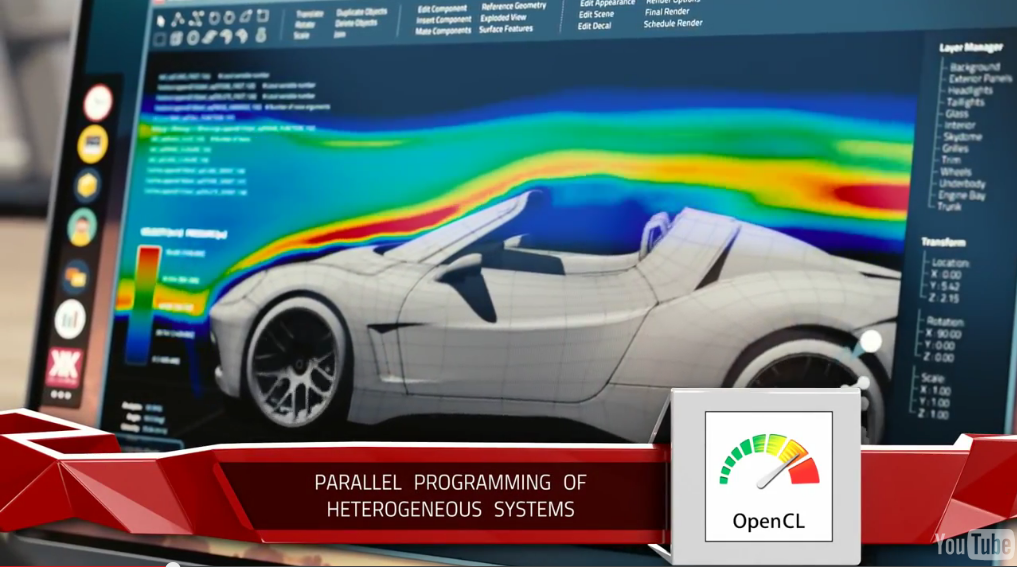
What does Khronos has more to offer than OpenCL and OpenGL?
The OpenCL standard is from the not-for-profit industry consortium Khronos Group. But they do a lot more, like the famous standard OpenGL for graphics. Focus of the group has always been on multimedia and getting the fastest results out of the…